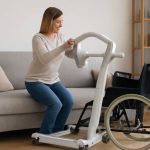
Demand for in-home and facility-based care continues to grow as families seek trusted professionals who can support aging adults, people living with disabilities, and those recovering after illness or surgery. Whether you’re exploring a first step into healthcare or building on years of experience, opportunities in caregiver jobs, home health aide jobs, and CNA jobs near me are expanding across cities and suburbs. Employers need dependable, empathetic people who can provide personal care, companionship, and safety, and who are comfortable working in dynamic home environments. With multiple pathways—agency placements, private households, and clinical roles—there’s a role for every schedule, skill set, and career ambition.
What Employers Look For in Caregivers, HHAs, and CNAs Today
Organizations and families hiring for senior caregiver jobs prioritize a blend of practical skills and people-centered qualities. Reliability tops the list: punctuality, consistent communication, and attention to detail help clients and families feel secure. Employers also look for patience, empathy, and cultural sensitivity—traits that foster trust, reduce anxiety, and create a safe, respectful routine for clients. In addition to soft skills, basic competencies like safe transfer techniques, infection control, medication reminders, and meal preparation are common requirements for home care jobs near me. For more advanced assignments, experience with memory care, mobility equipment, or post-hospital transitions can set your application apart.
Credentials vary by state and role. Many agencies welcome newcomers, offering on-the-job training for entry-level caregiver jobs. For medical-adjacent duties—such as vitals checks or skin integrity monitoring—having a Home Health Aide (HHA) certificate or Certified Nursing Assistant (CNA) license can unlock higher-paying shifts and additional responsibilities. Employers frequently request current CPR/First Aid certification, proof of immunizations, and clear background checks. A clean driving record is valuable for roles that involve errands or transportation to appointments.
Work environments range from private residences to assisted living facilities and skilled nursing units. Schedules can be highly flexible: short companion visits, overnight supervision, 12-hour hospice shifts, or live-in rotations. Candidates searching for caregiver agencies hiring will find that many organizations offer steady caseloads, while others provide per-diem or PRN options that fit around school, family life, or a second job. If you’re targeting caregiver hiring now postings, highlight your immediate availability, willingness to travel within a set radius, and openness to weekends or holidays—those details can lead to faster offers and priority assignments.
Finally, communication skills truly differentiate successful applicants. Clear note-taking, timely updates to schedulers and families, and accurate reporting of changes in condition are essential for safety and continuity of care. When submitting applications, showcase specific examples: assisting a client with Parkinson’s during mobility routines, de-escalating confusion in dementia care, or coordinating with home health nurses. Concrete stories help employers see how you’ll perform from day one.
How to Land and Grow in Caregiver Roles: Applications, Interviews, and Training
Start with a focused resume that emphasizes caregiving experience, even if it happened informally. Family caregiving, volunteer respite support, church-based senior outreach, or babysitting for children with special needs all demonstrate relevant strengths for caregiver jobs near me. List certifications front and center, include language skills, and specify the types of assistance you’ve provided—ADLs like bathing and grooming, meal preparation for special diets, dementia redirection, or safe transfers with gait belts. If you’re seeking facility roles or higher-acuity clients, invest in HHA or CNA training. Many community colleges, vocational schools, and agencies offer accelerated pathways so you can start earning quickly.
When reading job posts, note the details that match your goals: hourly pay, mileage reimbursement, shift length, client conditions, and travel distance. Apply to multiple openings to compare offers and find the best fit. Online platforms that compile caregiver job openings can help you discover a variety of cases—from companionship visits to post-operative care—across agencies and private households. During interviews, be ready to discuss real scenarios: how you’d handle a fall, what steps you’d take if a client refuses medications, or how you manage boundaries while maintaining warmth and rapport. Bringing thoughtful answers demonstrates professionalism and readiness.
To stand out for home health aide jobs and CNA shifts, prepare a small “care portfolio.” This might include copies of certifications, reference letters, a list of equipment you’ve used (Hoyer lift, slide board), and a quick care log template you’re comfortable using. If a family is hiring privately, offer to sign a simple care agreement that outlines scope, hours, pay, and confidentiality; this shows you understand best practices and protects both sides. For agency roles, ask about orientation, mentorship, and continuing education. Strong employers provide shadow shifts, skills refreshers, and structured supervision—resources that help you deliver excellent care and advance your career.
Growth paths are clear and attainable. Entry-level caregivers can earn additional credentials, move into specialized dementia or hospice care, and later step into lead caregiver or scheduler roles. Those searching for CNA jobs near me might treat the CNA as a stepping stone to LPN or RN programs, while experienced aides can transition into care coordinator or case manager positions. Consistent reliability, strong charting, and positive client feedback are the foundation for promotions, higher pay, and priority assignments. Keep track of your accomplishments and ask for performance reviews—momentum matters in this field.
Real-World Scenarios: Matching Roles to Lifestyles and Goals
For students or parents who need flexibility, companion-focused private caregiver jobs often offer shorter shifts that fit around class times or school pickups. A typical case might include a mid-morning visit for light housekeeping, medication reminders, and a walk outside—steady hours without late nights. If you prefer consolidated work blocks, consider weekend 12-hour shifts with an assisted living resident who needs standby assistance and social engagement. These roles reduce commuting and let you stack hours efficiently while building rapport with one or two clients.
Career changers with an interest in healthcare can start in non-medical caregiver jobs and gradually add certifications. One common path: begin with companionship and ADLs, complete HHA training, then pursue CNA licensure to qualify for rehabilitation units or post-acute cases. With CNA skills, candidates gain access to higher-acuity assignments, closer collaboration with nurses and therapists, and a clear roadmap to future nursing programs. For those drawn to memory care, look for employers who provide dementia-specific training and support groups; these tools help you maintain safety and dignity during sundowning or wandering episodes while protecting your own well-being.
If you’re seeking maximum stability and benefits, agency-based caregiver agencies hiring can provide a steady stream of cases, mentorship, and payroll support. You’ll likely have a dedicated scheduler who aligns your preferences with client needs, whether that means pet-friendly homes, non-smoking environments, or specific shift lengths. Conversely, seasoned aides who value autonomy sometimes prefer private households, where compensation may be negotiable and responsibilities are tailored closely to one client’s routine. In both settings, documentation is vital—accurate logs and timely communication ensure continuity of care and safeguard your professional reputation.
Location can shape opportunity. In urban areas, you’ll find a broad range of home care jobs near me, from short city visits to complex 24/7 cases supported by rotating teams. Suburban and rural markets often favor longer shifts to reduce travel, and families may prioritize caregivers who can drive to appointments. If you’re open to evenings or overnights, advertise that flexibility—employers routinely need dependable coverage for respite, fall risk monitoring, and post-surgical observation. Highlighting this availability can put your application at the top of the list for caregiver hiring now roles.
Above all, align the role with your strengths and energy. If you love building deep relationships, choose recurring clients and longer engagements. If you thrive on variety, per-diem agency work or float assignments keep each week fresh. For advancement-minded professionals, track transferrable skills—communication, problem-solving, teamwork—that translate into supervisory positions. By pairing your goals with the right environment, you’ll find that today’s market for senior caregiver jobs, home health aide jobs, and CNA jobs near me offers a rewarding, sustainable, and meaningful career path.